




Dr Kieron Lim
Senior Gastroenterologist & Hepatologist
MBBS, University of London, Member, Royal College of Physicians (UK), Fellow, Academy of Medicine (Gastroenterology) Singapore, Fellow, Royal College of Physicians (Edinburgh)
Digestive symptoms such as abdominal discomfort, bloating, changes in bowel habits and indigestion are common and often short-lived. However, symptoms that persist, recur frequently or occur alongside certain warning signs may require further evaluation.
If you are experiencing these symptoms, it is important to understand the possible causes, how they develop and when to seek specialist care to help identify when your condition may warrant diagnosis and treatment.
What Can Cause Ongoing Digestive Symptoms?
Digestive symptoms can arise from temporary problems or underlying gastrointestinal conditions. Common causes include:
- Dietary factors like food intolerances, dietary changes or certain eating habits
- Gastrointestinal infections caused by viruses, bacteria or parasites
- Oesophageal and stomach conditions such as acid reflux or gastritis
- Bowel disorders such as irritable bowel syndrome (IBS) or inflammatory bowel disease (IBD)
- Liver, gallbladder or pancreatic conditions that affect digestion
Because many gastrointestinal conditions share similar symptoms, the underlying cause cannot always be identified from the symptom alone. Where the discomfort occurs, how often it happens, how long it lasts and what accompanies it can all help narrow down the possible cause.
When Should Digestive Symptoms Be Checked by a Specialist?
Many digestive symptoms are short-lived. Bloating after a heavy meal, temporary indigestion or bowel changes associated with a minor gastrointestinal infection may improve within several days as the trigger resolves.
If symptoms continue, keep returning or are not improving as expected, it may be time to see a gastroenterologist. This is particularly important if symptoms:
- Continue for several weeks without clear improvement
- Settle temporarily but repeatedly return
- Become progressively more frequent or troublesome
- Continue despite initial treatment or avoiding suspected triggers
- Begin affecting appetite, sleep or everyday activities
There is no single waiting period for every digestive symptom. Mild but persistent symptoms may justify a routine appointment, whereas severe abdominal pain, gastrointestinal bleeding or repeated vomiting should be assessed promptly rather than monitored for several weeks.
When Do Digestive Symptoms Need Immediate Medical Attention?
While persistent digestive symptoms may warrant a scheduled appointment, some symptoms require immediate medical attention because they can indicate gastrointestinal bleeding, an obstruction, severe inflammation or other acute problems that may be classified as medical emergencies.
Gastrointestinal Bleeding
Vomiting blood, vomit resembling coffee grounds, significant blood in the stool or black, tarry stools can indicate bleeding within the digestive tract. Possible causes include bleeding stomach or duodenal ulcers, severe inflammation or enlarged veins in the oesophagus or stomach.
Intestinal Obstruction
An intestinal obstruction prevents food, fluid and gas from passing normally through the bowel. It can cause severe abdominal pain, pronounced abdominal swelling, persistent vomiting and difficulty passing stool or gas.
Gastrointestinal Perforation
A perforation occurs when a hole develops in the wall of the stomach or intestine. It can cause sudden, severe abdominal pain and requires urgent treatment as digestive contents can leak into the abdominal cavity and cause serious infection.
Acute Inflammation of Digestive Organs
Conditions such as acute pancreatitis or gallbladder inflammation can cause severe and persistent abdominal pain, often accompanied by nausea or vomiting. These conditions can worsen without appropriate medical treatment.
Significant Dehydration or Blood Loss
Repeated vomiting can result in severe dehydration, while gastrointestinal bleeding can lead to significant blood loss. Warning signs can include dizziness, marked weakness, fainting or confusion.
If you experience sudden or severe abdominal pain, vomiting blood, significant gastrointestinal bleeding, persistent vomiting or fainting alongside digestive symptoms, seek immediate medical attention rather than waiting to see whether the symptoms improve.
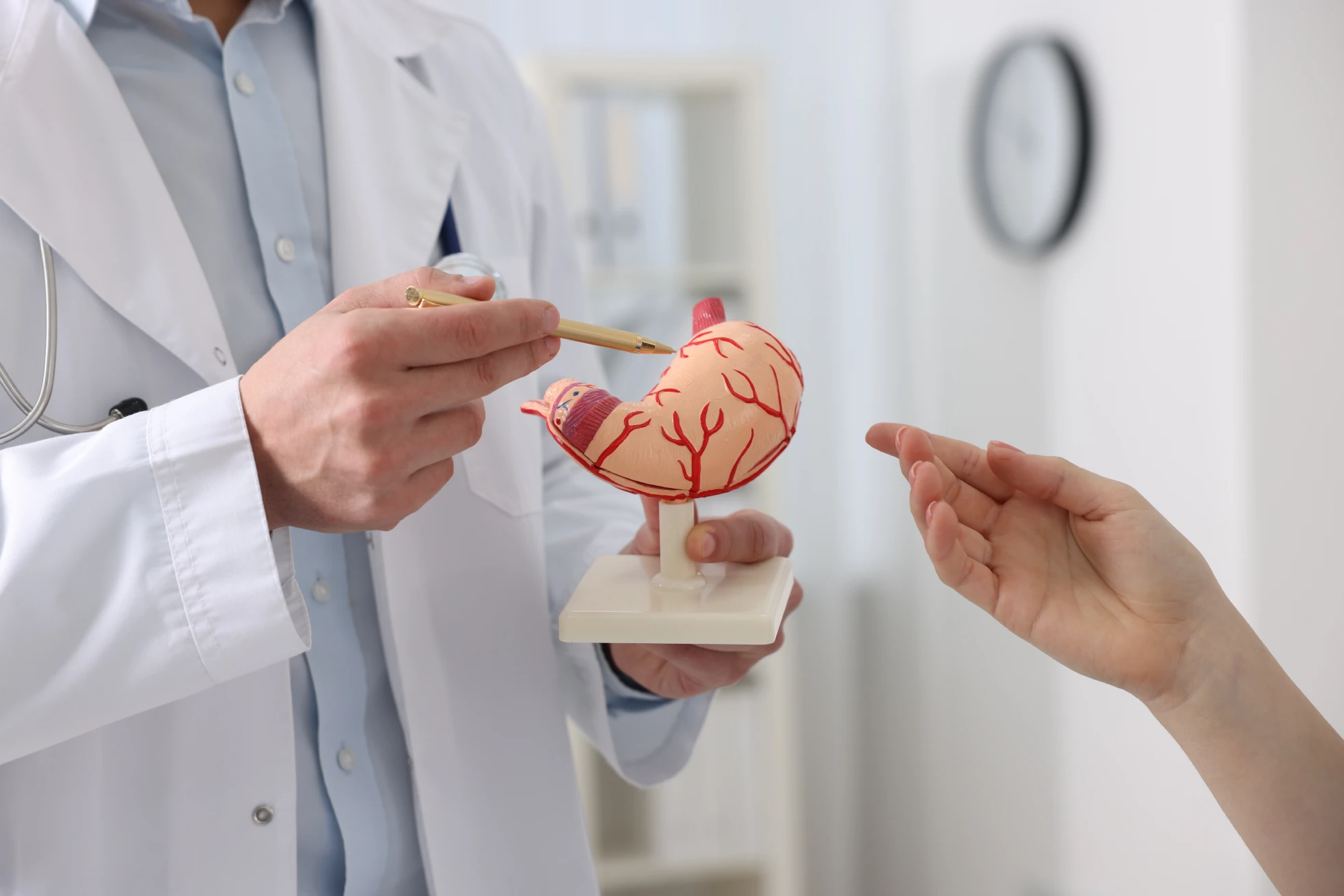
Visiting Kieron Lim Gastroenterology for Specialist Evaluation
If digestive symptoms require specialist evaluation, the next step is to determine what is causing them rather than continuing to manage the symptoms alone. A gastroenterologist will review your symptoms, medical history, medications and relevant risk factors before deciding whether further testing is necessary. These findings can then guide treatment, which may range from medication and dietary management to further procedures or ongoing specialist care.
At Kieron Lim Gastroenterology, Senior Consultant Gastroenterologist & Hepatologist Dr Kieron Lim evaluates and manages digestive symptoms and conditions affecting the gastrointestinal system and liver. Dr Lim's experience in gastroenterology and hepatology helps to support the diagnosis and management of both common and complex digestive conditions.
If you have ongoing digestive symptoms or require further evaluation, contact us today to arrange a consultation and discuss the appropriate next steps for your care.
Frequently Asked Questions About Digestive Symptoms
Can I see a gastroenterologist without knowing what is causing my symptoms?
Can digestive symptoms be caused by problems outside the stomach?
Will I need tests when I see a gastroenterologist?
Can stress cause ongoing digestive symptoms?

Meet Our Doctor
Dr Kieron Lim
Senior Consultant Gastroenterologist & Hepatologist
MBBS, University of LondonMember, Royal College of Physicians (UK)Fellow, Academy of Medicine (Gastroenterology) SingaporeFellow, Royal College of Physicians (Edinburgh)
Dr Kieron Lim is a senior consultant specialising in Gastroenterology and Hepatology, providing comprehensive care for patients with gastrointestinal conditions in Singapore. His expertise extends to disorders affecting the oesophagus, stomach, colon, liver, pancreas, and gallbladder. Through his experience, Dr Lim enhances patient outcomes by facilitating early detection and timely medical interventions.

Contact Us
Whatsapp: +65 9726 0495 | Telephone: +65 6836 0080
Fax: +65 6836 0090 | Emergency: +65 6533 0088
Email: enquiries@kieronlimgastro.sg